
Loading...
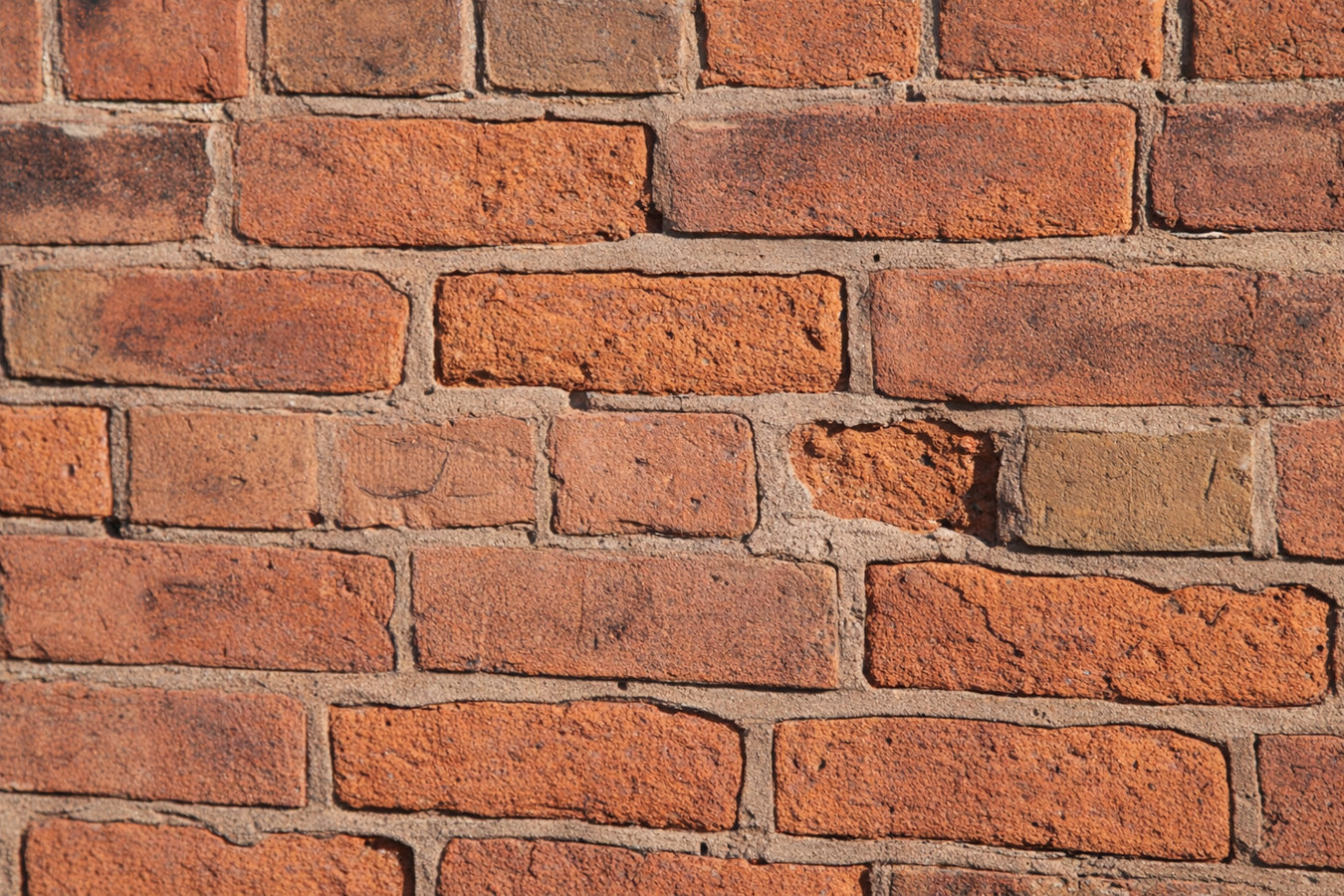
Mortar that crumbles in the Coachella Valley heat is not just an eyesore - it lets water and heat into your walls and accelerates the damage. We repoint brick joints with the right mortar for desert conditions so the repair actually lasts.
Brick pointing in Indio means removing old, crumbling mortar from the joints between bricks and replacing it with fresh mortar suited to the desert climate, with most residential jobs completed in one to two days. Mortar is designed to be softer than brick so it absorbs stress from heat and movement first - when it wears out, the bricks start taking the damage instead.
In Indio, mortar breaks down faster than in most of California because the temperature swings between day and night can exceed 40 degrees, and the UV intensity is relentless year-round. If you are seeing white chalky staining on your bricks, soft or sandy joints, or gaps opening up along mortar lines, those are all signs the joints need attention. Left alone, failing mortar lets water from irrigation and rare heavy rains into the wall structure - and Indio's mineral-heavy water leaves deposits that accelerate the breakdown. Many homeowners dealing with pointing issues also have questions about the condition of the bricks themselves; if the bricks are cracking or flaking rather than just the mortar, our masonry restoration service covers structural brick repair alongside the joint work.
Call or fill out the contact form and we will get back to you within one business day to schedule a free on-site look.
Run your finger along the joints between your bricks. If the mortar feels soft, sandy, or flakes away with light pressure, it has lost its bond. Healthy mortar feels hard - similar to the brick itself. This is the clearest sign that repointing is overdue, and the sooner it is done the less damage accumulates in the structure behind it.
A white, chalky residue on your bricks is called efflorescence - salt being pushed out of the masonry by moisture moving through the wall. In Indio, irrigation water is high in dissolved minerals, which makes this especially common on garden walls and planters near drip lines. It signals water is getting into the wall, often through failing mortar joints.
Stand back and look at your wall from a few feet away. If you can see dark gaps where mortar should be, or if the joints look noticeably recessed and uneven, the mortar has eroded significantly. In the desert heat, this kind of erosion happens gradually over years and can become deep before it is obvious from a normal viewing distance.
Indio's extreme temperature swings - sometimes 40 degrees F between daytime highs and nighttime lows - cause masonry to expand and contract repeatedly. Over time, this thermal cycling opens hairline cracks along the mortar joints. Cracks that appear after a particularly hot stretch are a sign the joints are no longer absorbing the movement the way they should.
Good pointing work is slow and precise - a skilled mason grinds or chisels out the old mortar to a consistent depth of about three-quarters of an inch, then packs in fresh mortar by hand and tools the joint to match the original profile. The Brick Industry Association emphasizes that the new mortar must not be harder than the brick it is joining - if it is, thermal movement forces cracks through the bricks instead of along the joints, and you have a much more expensive problem. In Indio's dry air, we also mist fresh joints periodically during the first day or two to slow the curing process and prevent surface cracking that would otherwise appear before the mortar fully bonds. If your project also involves larger structural masonry concerns - a wall that is leaning or a chimney that needs rebuild - our foundation repair team can assess those issues at the same visit.
Color matching is part of the job, not an afterthought. We match the mortar color and finish to what is already on your wall so the repair blends in rather than standing out as a patch. For homeowners in Indio's HOA communities, we are familiar with the design review process and can provide the documentation your association needs if exterior repair approval is required before work begins. After the work is done, we walk you through any follow-up - including how long to keep irrigation away from fresh joints and what surface treatment, if any, your specific brick type benefits from.
For the most common brick pointing need in Indio - accent walls, raised planters, and entry features that have been worn down by heat, UV, and mineral-heavy irrigation water.
For chimneys and fireplace surrounds where failing mortar creates a fire and water infiltration risk - work done at height with the safety equipment the job requires.
For homeowners whose decorative entry columns or pilasters show soft mortar or surface staining that affects the curb appeal of the property.
For larger brick structures where mortar deterioration is widespread - assessed section by section and prioritized so the most critical areas are addressed first.
Indio is one of the hottest cities in the United States, and the Coachella Valley's average relative humidity often drops below 20 percent - sometimes far lower. Mortar needs moisture to cure properly because the hardening process is chemical, not just drying. In Indio's dry air, mortar that is not actively managed during curing can crack and fail before it ever reaches full strength. A contractor who skips the misting step because it takes extra time is handing you a repair that looks fine the day they leave and fails within a year or two. Good timing also matters here: mortar cannot be applied safely when surface temperatures exceed about 100 degrees F, which rules out most of July and August in Indio. The best work window is October through April, and the National Weather Service data for the Coachella Valley confirms how narrow that comfortable window can be.
Most homes in Indio have stucco exteriors, which means brick tends to appear as accent work - entry columns, garden walls, chimneys, and planters - rather than full structural facades. That decorative brick is often thinner and more directly exposed to sun, which accelerates joint wear compared to full brick construction. We work regularly with homeowners in Rancho Mirage and Palm Springs, and we understand the specific maintenance patterns that come with desert-climate decorative brickwork. Whether your brickwork is in a master-planned community with HOA requirements or in an older Indio neighborhood near downtown, we know the approval process and the repair needs that come with each type.
Tell us what type of brickwork you have, roughly how large the area is, and share photos if you have them. We will get back to you within one business day. Most reputable contractors schedule a free on-site visit rather than quoting over the phone, because the condition of the existing mortar and access involved really do affect the price.
The mason walks the area with you, checks how deep the joint erosion goes, and looks at whether the bricks themselves are in good shape. You receive a written estimate covering scope, materials, and total cost. A trustworthy contractor will tell you honestly if the damage is minor or if it is more serious than it appears.
Many Indio neighborhoods require design review approval before exterior repairs begin, including mortar color on visible brickwork. We will help you confirm whether approval is needed and provide the documentation your HOA requires. This step usually adds only a few days, not weeks, for standard maintenance work.
The crew grinds out old mortar, packs in fresh material, tools the joints to match the original profile, and cleans residue off the brick faces. In Indio's dry air, we mist fresh joints to slow the cure. Most residential jobs are done in one to two days. After completion, hold off on irrigation near the wall for at least 24 to 48 hours.
Free written estimate. We come to your property, look at the actual condition of your brickwork, and give you a real number - no phone guesses, no surprises.
(442) 215-3746Mortar that is too hard for the brick it sits in forces cracks through the bricks themselves rather than absorbing thermal movement. We select mortar mixes suited to Indio's heat cycles and the specific brick type on your wall - not a generic mix that works fine in a cooler climate but fails here within a few seasons.
The Coachella Valley's dry air is one of the main reasons pointing repairs fail prematurely in this area. We mist fresh joints during curing to slow the chemical hardening process so the mortar reaches full strength before it dries out. This step takes extra time on every job - and we do it on every job.
A repair that stands out as a patch is an eyesore you notice every time you look at your wall. We match mortar color and joint profile to what is already there so the finished work looks like part of the original structure, not a maintenance event.
Many of Indio's planned communities - including Sun City Shadow Hills and Indian Palms - have design review requirements for exterior repairs. We know how those processes work, what documentation committees typically ask for, and how to submit a request that moves through approval without delays or revision requests.
Brick pointing done right in Indio is not just about filling gaps - it is about choosing the right materials, doing the work at the right time of year, and managing the curing process so the repair holds up through the desert climate for the next 20 to 30 years. That is what we deliver on every job.
For homes where water intrusion through failing mortar joints has reached the foundation level - assessed and repaired before the damage compounds.
Learn MoreWhen the bricks themselves are cracking, spalling, or the structure has shifted - full restoration that goes beyond joint repair to address the underlying cause.
Learn MoreThe best weather window for masonry work in the Coachella Valley runs October through April - and the best contractors book out weeks in advance. Reach out now to hold your spot and stop the damage before the next summer hits.